
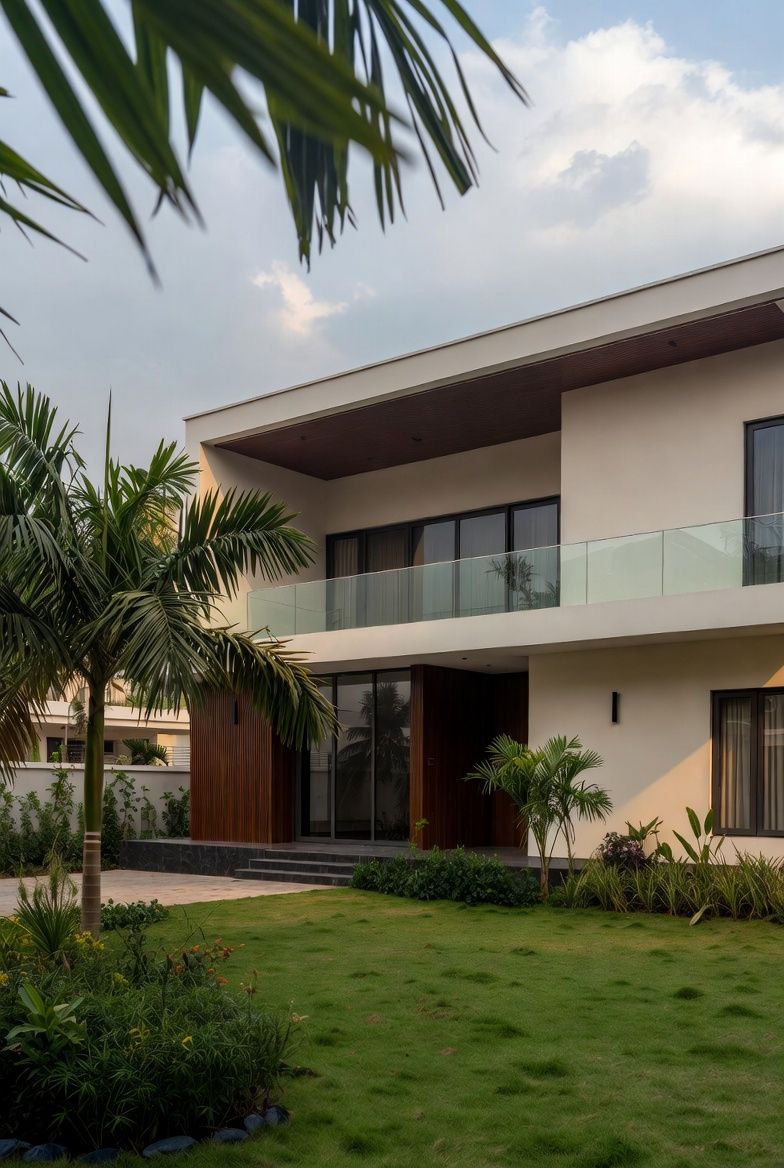
Building or buying a home in Nigeria—especially in high-growth cities like Port Harcourt, Lagos, and Abuja—comes with several costs most people don’t see coming. These hidden expenses can stretch your budget, delay your project, or completely ruin your financial plans if you’re not prepared.
Here’s the complete breakdown every smart Nigerian homeowner and investor must understand before starting any building or purchase journey.
1. Land Documentation & Registration Fees
Many people assume once you pay for the land, you’re done. Not true. Documentation is a major hidden cost, and it must be done if you want true legal ownership.
Here are the usual fees:
• Survey Plan
Needed to show the exact location of your land.
Price varies depending on state, terrain, and land size.
• Deed of Assignment / Conveyance
This legally transfers ownership from the seller to you.
Expect to pay legal fees, administrative fees, and signing fees.
• Governor’s Consent
In many states, this is compulsory for full ownership validation.
This can cost hundreds of thousands to millions depending on property value.
• Registration Fees & Stamp Duties
Often ignored but mandatory when filing your documents.
Failing to handle these early causes land disputes later.
2. Professional Fees (Architect, Engineer, Builder, Lawyer)
Building requires experts. And experts cost money.
Architectural Design
Floor plans, elevations, 3D drawings, structural drawings.
Structural Engineer Fees
To ensure your home won’t collapse.
They produce steel calculations, load-bearing structures, and foundation plans.
Builder / Contractor Fees
Covers labor, supervision, and site management.
Legal Fees
For document verification, drafting agreements, and confirming land authenticity.
Ignoring professional fees is what leads people into fraudulent deals and poorly executed buildings.
3. Infrastructure Contributions
In estates and some communities, you may be required to pay:
- Road construction fee
- Power line connection
- Borehole/water project
- Drainage levy
- Community development fees
- Estate development charge
These fees can run into hundreds of thousands—or millions—depending on the area.
4. Foundation, Soil Test & Ground Preparation
Some land in Nigeria requires stronger foundations due to poor soil stability. Before building, you may need:
- Soil test
- Excavation
- Raft foundation
- Piling
- Backfilling
- Compaction
In swampy or waterlogged areas (common in Port Harcourt and Lagos Island), foundation alone can consume 30–40% of your budget.
5. Material Price Variations
Cement, tiles, rods, plumbing materials, and electrical items fluctuate constantly.
A building you planned for ₦20m can shoot to ₦27m+ due to market price changes.
This is why you need a contingency fund of at least 10–20%.
6. Finishing — The REAL Budget Killer
Most Nigerians underestimate finishing. It is the most financially demanding stage.
Finishing covers:
- POP
- Tiles
- Wardrobes
- Kitchen cabinets
- Interior doors
- Exterior doors
- Lighting fixtures
- Paint
- Bathroom accessories
You can easily spend more on finishing than the entire block work and roofing combined.
7. Legal & Agency Fees When Buying a House (Not Building)
If you’re buying a completed house, expect:
- Agency fee
- Agreement fee
- Legal search fee
- Documentation fee
- Admin/processing fees by developer
These add up quickly.
8. Service Charges (For Estates and Apartments)
Most modern homes in prime locations require recurring payments:
- Security levy
- Waste management
- Generator/power supply fee
- Facility management
- Cleaning
- Maintenance
If you’re buying to rent out, this affects your return on investment.
9. Unexpected Issues & On-Site Surprises
Many building projects face unexpected challenges:
- Buried pipes
- Water table issues
- Flood zones
- Neighbor boundary disputes
- Price inflation
- Material theft
- Delays from artisans
Each of these means additional money and time.
Final Advice
Budgeting for only the “visible” costs is a fast way to stress yourself financially. Smart homeowners factor in hidden costs before starting. When properly planned, building or buying becomes a calm, controlled, and rewarding process.
Leave A Comment